

Since their inception, political parties have been met with considerable scepticism from society. To this day, certain opinions and prejudices persist. This article examines five common myths about political parties and argues for a more realistic and nuanced assessment of their role and how they operate.
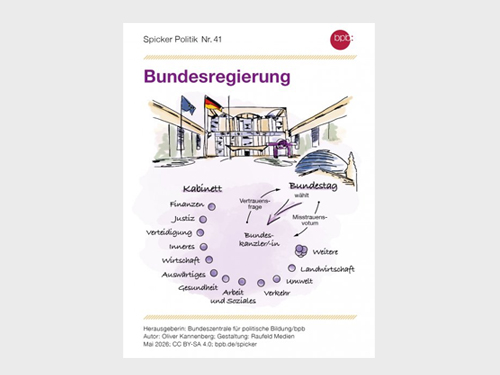
All the important information on fundamental topics from politics and society on one A4 page. This is the „Spicker“ from the Federal Agency for Civic Education (bpb). In issue no. 41, Oliver Kannenberg focusses on the Federal Government. Among other things: How is the government formed and are there rules for government work?

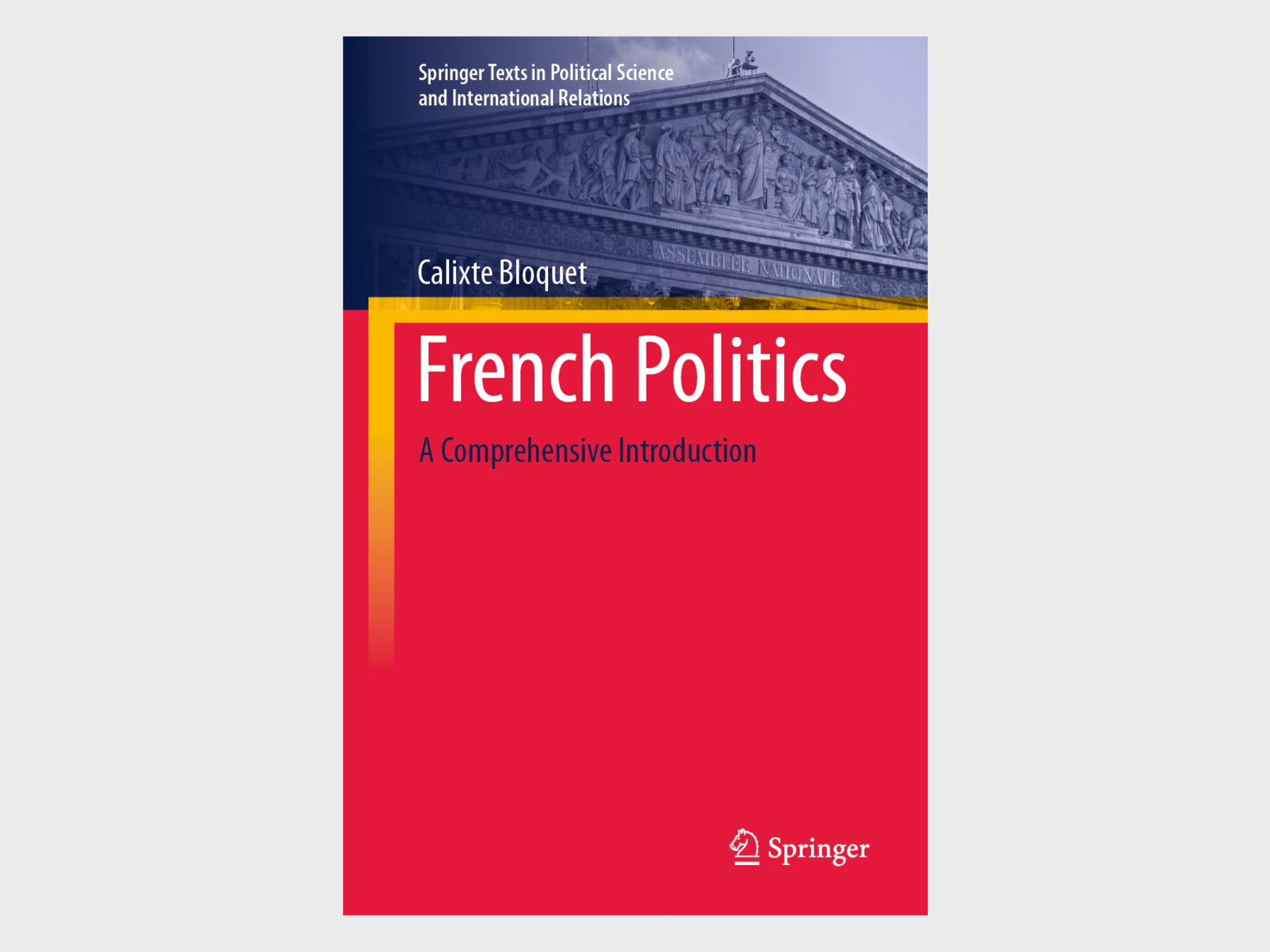
After every Bundestag election, there are numerous comments on the social composition of the Bundestag and how many women, young people, etc. are to be found among the MPs. But does this even matter and if so, why? In this article, Calixte Bloquet explains the importance of descriptive representation and how and why social diversity in parliament can improve political decision-making.
Sign up to receive updates, promotions, and sneak peaks of upcoming products. Plus 20% off your next order.