After every Bundestag election, there are numerous comments on the social composition of the Bundestag and how many women, young people, etc. are to be found among the MPs. But does this even matter and if so, why? In this article, Calixte Bloquet explains the importance of descriptive representation and how and why social diversity in parliament can improve political decision-making.
Do the power potentials of parliamentary oppositions in democracies and autocracies differ? With this question in mind, Danny Schindler has analysed African states that are rarely examined in opposition research.
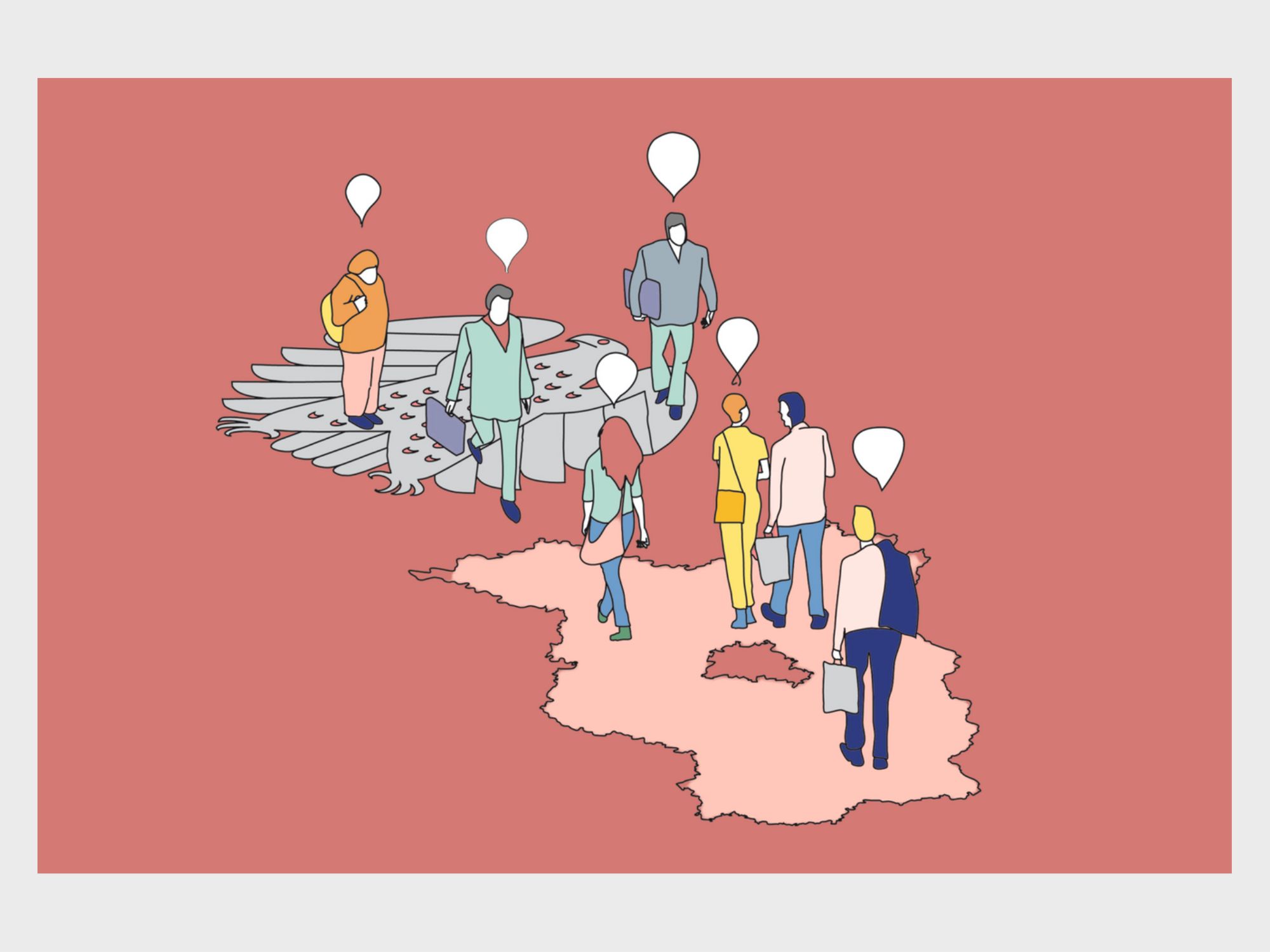
The public perception of parliamentary processes is often characterised by empty rows of seats, supposed „factionalism“ or the image of aloof MPs. The article by Christian Ignorek and Alexander Kühne shows how popular prejudices can lead to a distorted assessment of the functional logic of representative democracy and resolves these on the basis of political science principles. This blog post is part of a cooperation with the Brandenburg State Centre for Political Education.
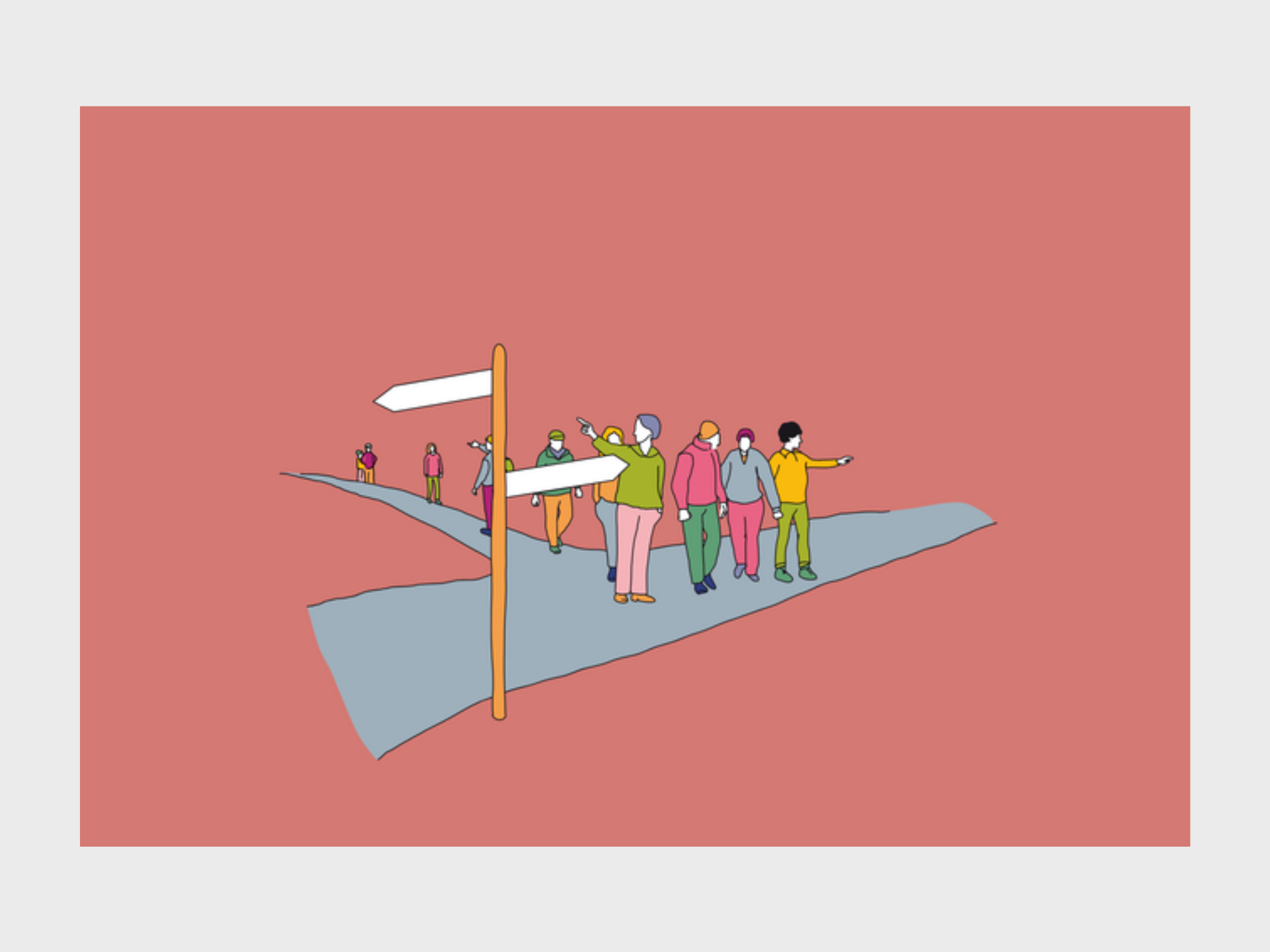
Coalition governments are the norm at both federal and state level. Oliver Kannenberg talks to Sabine Schmidt-Peter about fundamental and more in-depth aspects of coalitions in politics in the podcast by the Brandenburg State Centre for Political Education.
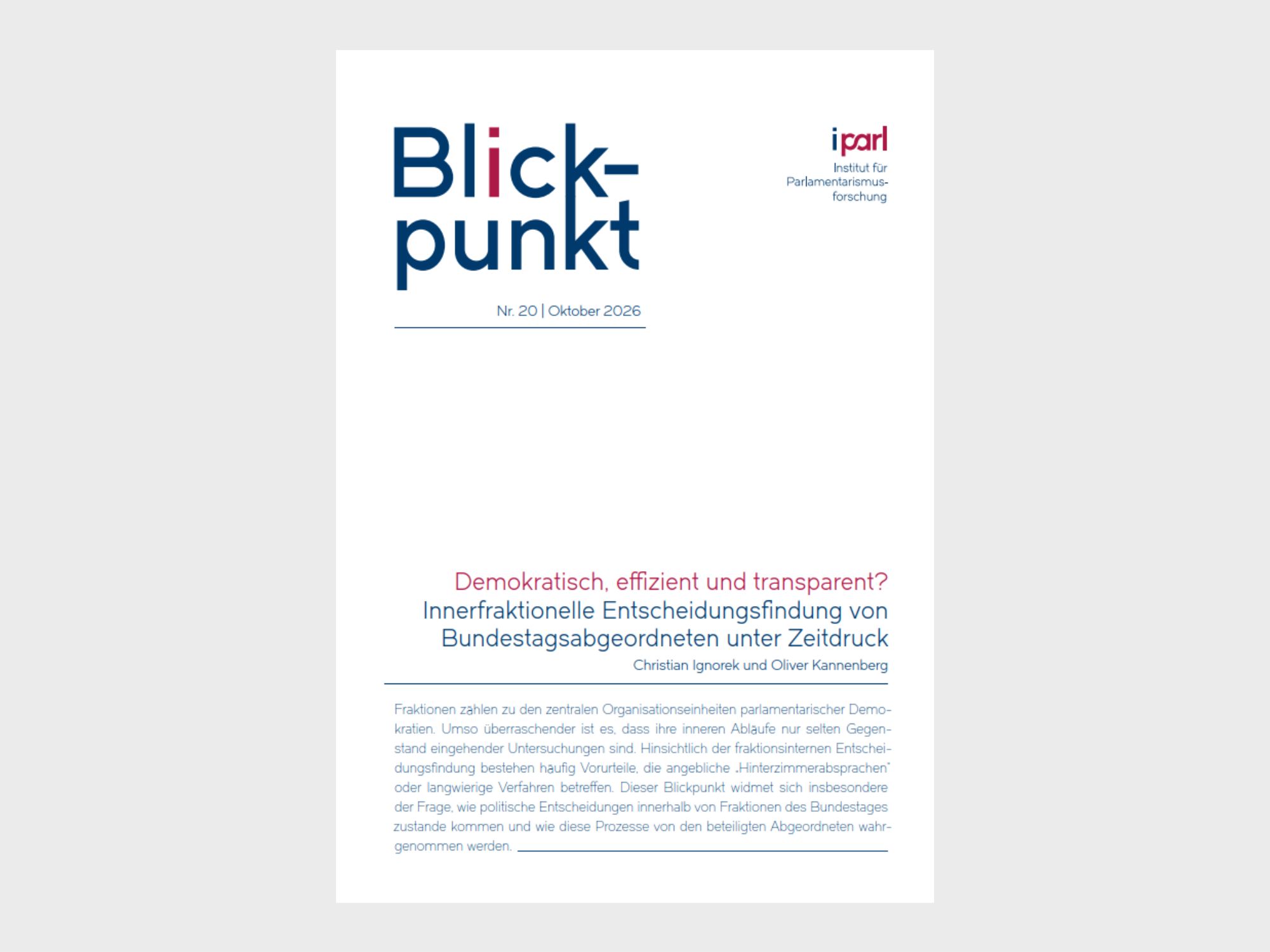
How have the political groups in the German Bundestag professionalised their organisational structure since 1949?
Danny Schindler and Theresa Pescht look at structures of vertical and horizontal division of labour as well as the scope and level of detail of internal rules. They also show that the parliamentary groups are professional democratic collective actors.
Sign up to receive updates, promotions, and sneak peaks of upcoming products. Plus 20% off your next order.