from Christian Ignorek and/or Oliver Kannenberg
DOI: 10.36206/BP2026.02
As part of the ReParl study (Researching MPs’ Views on Parliamentary Representation), 71 members of the German Bundestages were surveyed on the democratic quality, transparency and efficiency of decision-making processes within their parliamentary groups.
(1) In all three categories surveyed, Members of Parliament expressed a positive view of the decision-making process within their parliamentary groups. The procedures are regarded as particularly democratic and, with some minor reservations, as efficient and transparent.
(2) Whilst there are hardly any discernible differences when distinguishing between leadership responsibilities, government or opposition status, and ideological positioning, it is striking that experienced Members of Parliament (those who have served four or more terms) express a slightly more critical view of the decision-making process.
(3) When asked about options for reform, many Members of Parliament, across party lines, cite significant „time pressure“ as an obstacle to more democratic, transparent or efficient procedures.
By the end of 2025, the Federal Government aimed to pass a package of measures to safeguard pension payments in the long term. Whilst agreement was quickly reached at ministerial level within the coalition, certain elements of the package met with considerable criticism from sections of the CDU/CSU parliamentary group.[1] Eighteen Members of the Bundestag, who were under 35 at the time of their election to the German Bundestag and who belonged to the „Young Group“ within the Union parliamentary group, publicly announced that they would not support the package of measures in its current form. In media reports, they were subsequently referred to as „pension rebels“[2] labelled.
This conflict sparked a brief but intense political debate. The focus was not only on the substance of the pension reform, but also on how Chancellor Friedrich Merz and the CDU/CSU parliamentary group leadership dealt with criticism from within their own ranks. Consequently, issues such as dissenting voting behaviour, diversity of opinion within the parliamentary group and the maintenance of parliamentary unity – all of which are central subjects of research into parliamentary democracy – came to the forefront of public attention.
The conflict was resolved, in particular, through discussions between the parliamentary group leadership and the MPs involved, as well as through the prospect of further pension reforms. Despite its brief duration, the case highlights fundamental characteristics of parliamentary decision-making processes: Even within governing parliamentary groups that generally act in unison, organised minorities can initiate internal negotiations and influence political decisions. Parliamentary groups thus appear as independent political arenas in which government decisions are not merely rubber-stamped, but are debated, amended and balanced against differing interests.[3]
This process thus draws attention to a key tension within parliamentary democracies: on the one hand, governing parliamentary groups wish to present a united front in order to ensure that parliamentary majorities are capable of acting and can be relied upon. On the other hand, decision-making processes within parliamentary groups require that divergent views can be articulated and incorporated into the decision-making process. For this reason, this Blickpunkt focuses on the assessment of individual MPs.
The data used in this article is drawn from the ReParl project (Researching MPs’ Views on Parliamentary Representation) of the Institute for Parliamentary Research (IParl). As part of the project, a total of 71 members were surveyed between July 2024 and February 2025[4] of the 20th German Bundestag were interviewed using a guided interview format. Owing to the snap general election and the resulting increased time pressure, the original selection of respondents via a random sample was replaced by a census. Thanks to the support of the Bundestag Presidium, a response rate of just under ten per cent was achieved. The interview guide comprised a total of 24 questions on various aspects of parliamentary representation, including an additional module on decision-making within parliamentary groups. The interviews took place either in person or via video conference.
The sample does not allow for statistically representative conclusions to be drawn about the members of the 20th German Bundestag. However, the interviews provide a systematic insight into the perceptions and assessments of Members of Parliament from different political camps. Their particular value lies in shedding light on internal parliamentary processes from the perspective of the actors directly involved, whilst highlighting both the similarities and differences between their statements.
The study thus combines the institutional perspective on parliamentary groups with the experiences of their members. Whilst rules of procedure and organisational structures provide information on the formal requirements for decision-making within parliamentary groups, the interviews reveal how these procedures are perceived and assessed in parliamentary practice. The subsequent analysis therefore focuses on the extent to which MPs regard the existing decision-making processes within their parliamentary group as transparent, efficient and democratic, and where they identify a need for reform.
The selected evaluation categories are based on Winfried Steffani’s analysis of the challenges and potential conflicts of interest in parliamentary democracies: As part of the ReParl project, MPs were asked how, in their view, they would rate the decision-making process within their parliamentary group in terms of the aspects „democratic“, „efficient“ and „transparent“ on a scale of 1 (very positive) to 4 (very negative).[5] As the survey was conducted through guided one-to-one interviews, the respondents were able to explain their assessments in detail.
In order to gain an initial general impression of how decision-making processes within parliamentary groups are assessed, the ratings across the three dimensions were combined to form a composite index. A Member of Parliament who awards their parliamentary group the top mark in all areas achieves a score of 3 points; a consistently very negative rating corresponds to 12 points. As Figure 1 shows, 49 of the 69 MPs who responded to the question (71 per cent) rate decision-making within their parliamentary group as positive overall. The average overall score is 5.87 points, which is significantly closer to the positive end of the scale than to the negative end. This suggests that the MPs surveyed, across all parliamentary groups, are generally satisfied with how efficiently, democratically and transparently the decision-making process operates within their respective parliamentary groups.
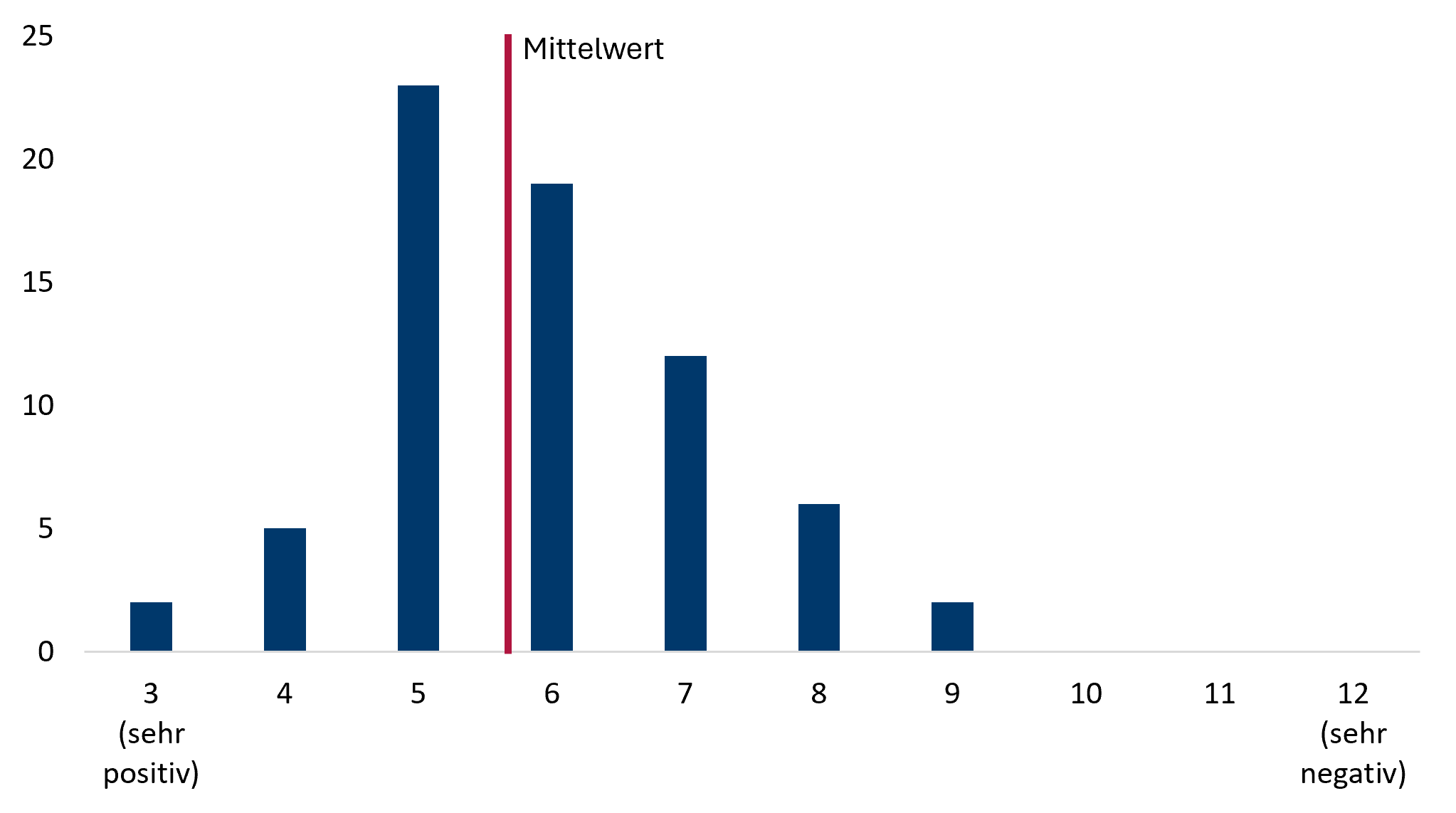
Figure 1: Aggregate assessment of intra-faction decision-making by Members of Parliament
Source: ReParl Project 2025; N=69.
Question: „In your view, how does decision-making take place within your parliamentary group?“ Categories: democratic, efficient, transparent. The figure shows the total of the responses (1 = „fully agree“ to 4 = „do not agree at all“) across the three categories.
This generally positive assessment is also evident when the three individual criteria are considered separately (see Figure 2). The assessment of the democratic quality of decision-making processes within parliamentary groups is particularly positive. With a mean score of 1.43, this dimension receives the highest rating of all the aspects surveyed. Transparency and efficiency in decision-making are also rated predominantly positively, with mean scores of 2.23 and 2.36 respectively. The results suggest that the MPs surveyed attribute a high degree of legitimacy to intra-party decision-making processes as a whole. This corresponds with findings from research on parliamentary groups, according to which the incorporation of different perspectives and the opportunity for a say within the parliamentary group are essential prerequisites for stable parliamentary unity. Among the five MPs who rated either efficiency or transparency as very negative, it is striking that only one specific example was cited in each of the respective interviews. With regard to efficiency, one MP from the governing parties surprisingly criticised „a lot of idling“ (IV 1-7-8)[6], whereas further down the text, the main focus is on a heavy workload and the resulting time pressure.
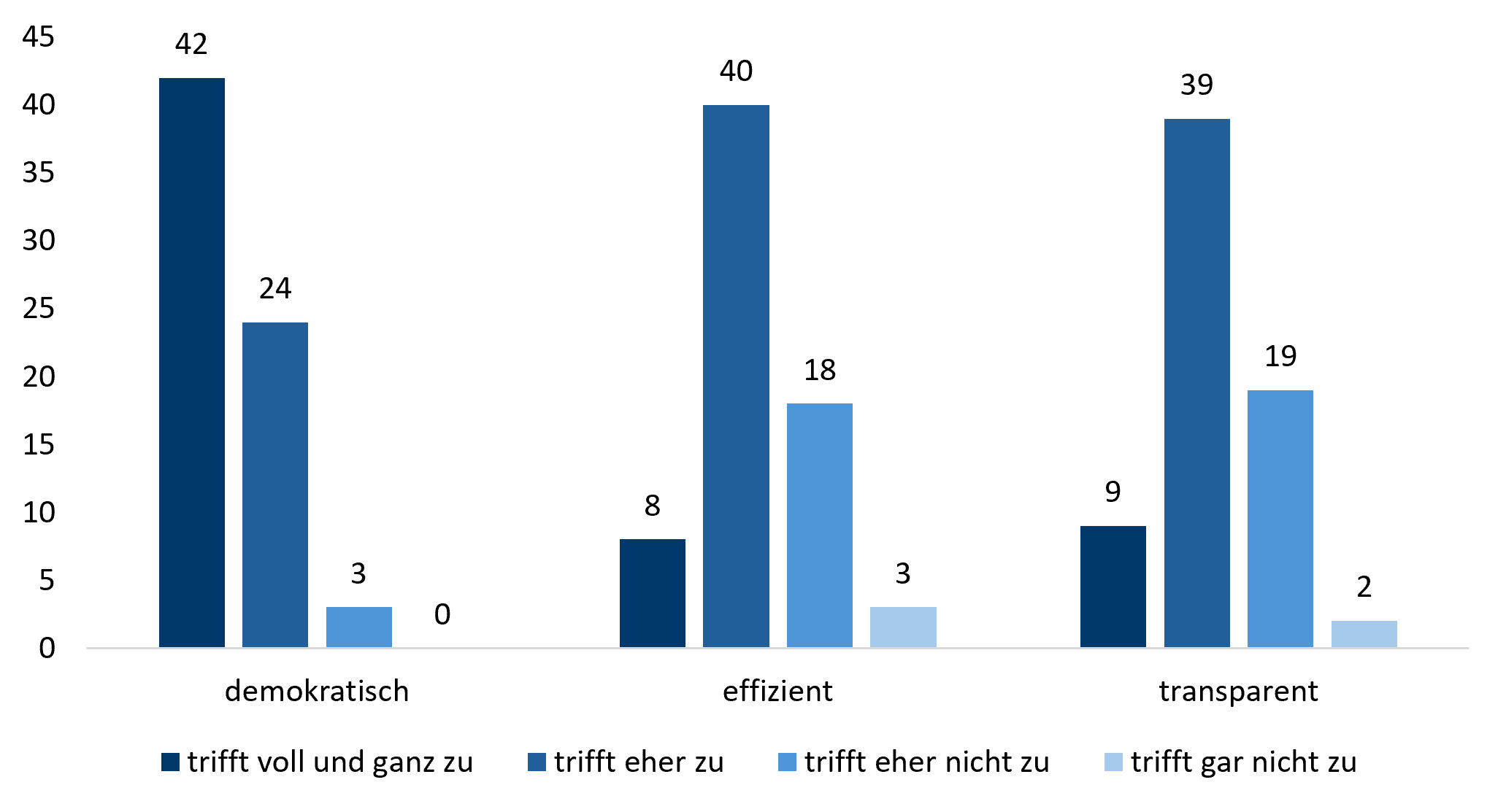
Figure 2: Members of Parliament’s assessment of decision-making within their own parliamentary group (by category)
Source: ReParl Project 2025; N=69.
Question: „In your view, how does decision-making take place within your parliamentary group?“ Categories: democratic, efficient, transparent. The figure shows the total of the responses (1 = „fully agree“ to 4 = „do not agree at all“) across the three categories.
The findings to date thus paint an overall positive picture of decision-making within parliamentary groups. However, the average figures presented mask potential differences between different groups of MPs. The next step is therefore to determine whether certain characteristics of the respondents are linked to differing assessments.
Parliamentary experience: Parliamentary experience is of particular interest in this context. In the 20th German Bundestag, the proportion of new Members of Parliament stood at 38.2 per cent, which was a relatively high proportion given that no new parties were elected to the Bundestag.[7] It is well known from research into parliament that MPs’ attitudes and working methods can change over the course of their parliamentary careers.[8] It therefore seems reasonable to assume that newly elected MPs perceive the decision-making processes within their parliamentary groups differently from long-standing members. To investigate this question, the responses are analysed below according to the length of membership of the Bundestag. To this end, the respondents were divided into three groups: the first group comprises MPs who were elected to the German Bundestag for the first time in the 2021 Bundestag election or who only obtained a seat as „replacements“ during the parliamentary term. The second group consists of MPs in their second or third parliamentary term. Thirdly, all MPs who have been members of the Bundestag for four or more parliamentary terms were grouped together. The results show that the assessments do not follow a linear „habituation effect“ (see Figure 3). Rather, the group of MPs in their second or third parliamentary term rates the intra-party decision-making processes most positively overall. By contrast, the ratings given by the very experienced MPs are somewhat more critical. This difference is particularly evident in the assessment of efficiency. Here, the average rating is around half a scale point lower than that of the group with moderate experience. The results thus suggest that parliamentary experience does not necessarily go hand in hand with a more positive perception of intra-party decision-making processes.
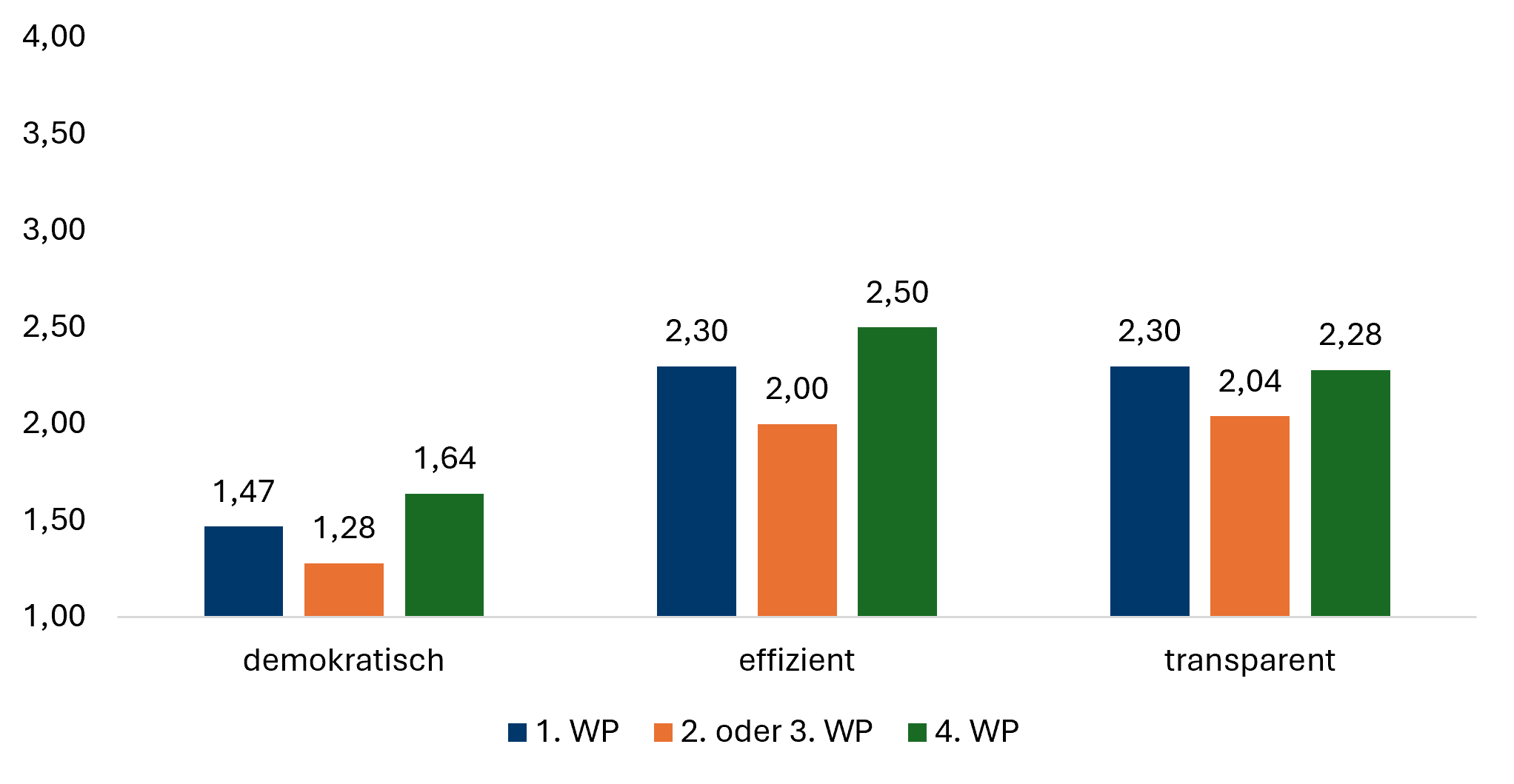
Figure 3: Assessment of decision-making within political groups, categorised by the parliamentary seniority of Members of Parliament
Source: ReParl Project 2025; N=69.
Question: „In your view, how does decision-making take place within your parliamentary group?“ Categories: democratic, efficient, transparent. The figure shows the total of the responses (1 = „fully agree“ to 4 = „do not agree at all“) across the three categories.
One possible explanation is that, following an initial phase of orientation and induction, many MPs successfully integrate into the established working and decision-making structures of their parliamentary group. However, as the length of their membership of the parliamentary group increases, recurring weaknesses and pressures associated with these processes also become apparent. Long-serving MPs have experienced these decision-making processes over many years and are therefore able to assess their strengths and limitations in a more nuanced way than newly elected members. An alternative interpretation is also conceivable. The comparatively more critical assessments by experienced MPs could be attributed to the fact that they have witnessed changes in the way their parliamentary group operates first-hand over several parliamentary terms. Whilst newer members are primarily familiarising themselves with current procedures, long-serving MPs have a broader frame of reference against which to measure current developments. More critical judgements may therefore stem less from general dissatisfaction with existing procedures than from a comparison with previous working practices. Both explanations point to a further finding from organisational research: institutional reforms in complex organisations often take place gradually and entail considerable adjustment costs.[9] This also applies to parliamentary groups in the German Bundestag.[10] Changes to decision-making structures regularly affect established areas of responsibility, rights of participation and informal routines. Reform processes of this kind are therefore usually protracted and often take a back seat to the demands of day-to-day parliamentary business. Furthermore, some experienced MPs were already aware that they would not be standing for re-election, which in turn encouraged a more open – and perhaps also more critical – review of the past.[11]
In addition to parliamentary experience, other factors may influence the assessment of decision-making processes within parliamentary groups. Of particular interest here are, firstly, membership of a governing or opposition group; secondly, the group’s ideological stance; and thirdly, membership of the group’s executive committee.
Membership of the government or the opposition: With regard to the distinction between government and opposition parliamentary groups, various expectations can be identified. As the majority of the legislative proposals dealt with in the German Bundestag are initiated by the Federal Government, the governing parliamentary groups in particular are closely involved in the preparation and monitoring of legislative processes. This requires the processing of extensive information as well as the incorporation of specialist expertise well in advance of parliamentary deliberations. If, in the view of Members of Parliament, this involvement is insufficient, this could have a negative impact on the assessment of the transparency or democratic quality of decision-making processes within parliamentary groups. At the same time, governing parties are often under considerable time pressure. It is not uncommon for draft legislation to be debated and adopted within short timeframes. The resulting constraints on deliberation and scrutiny processes have long been the subject of criticism and are raised as an issue by both MPs from the governing parliamentary groups and the opposition.[12] Against this background, it remains unclear whether government and opposition MPs assess the decision-making processes within their respective parliamentary groups differently, or whether the challenges of parliamentary work are similar regardless of the role in question.
Ideological positioning: Another possible influencing factor relates to the political positioning of the parliamentary groups. From a theoretical perspective, it could be assumed that right-wing parliamentary groups rely more heavily on hierarchical coordination mechanisms and thereby achieve greater efficiency in decision-making, whilst this could be accompanied by fewer opportunities for participation or a lower level of transparency. Conversely, one might expect left-leaning parliamentary groups to rely more heavily on deliberative processes and the involvement of broad sections of the group. For the purposes of this analysis, the parliamentary groups of Bündnis 90/Die Grünen and the SPD, as well as the parliamentary groups of Die Linke and the BSW, are classified as left of centre (LoC), whilst the CDU/CSU, FDP and AfD are classified as right-of-centre (Right of Centre, RoC). Such a comparison necessarily simplifies complex organisational realities and can only capture the differences within the respective parliamentary groups to a limited extent. Nevertheless, studies of the rules of procedure of parliamentary parliamentary groups suggest that political traditions and organisational cultures do indeed influence the institutional structure of decision-making processes within these groups.[13]
Leadership responsibilities: Finally, membership of the parliamentary group’s executive committee also appears to be a potentially significant influencing factor. The executive committee plays a key role within the parliamentary group in the preparation, coordination and structuring of decision-making processes. Previous studies have, in particular, highlighted the prominent role of parliamentary group leaders in the coordination and leadership of parliamentary groups.[14] From the perspective of organisational sociology, however, it is likely that the entire executive board – or the relevant governing body – exerts a significant influence on decision-making processes. Closer involvement in information flows and consultation processes could lead to executive board members assessing the transparency and democratic quality of intra-party procedures more positively than MPs without leadership roles. At the same time, they have direct insight into the practical challenges of organising decision-making, which could also lead to more critical assessments of individual aspects.
Table 1: Assessment decision-making within parliamentary groups by Members of Parliament according to various distinguishing features (mean values)
| democratic | efficient | transparent | N | |
| Government parliamentary group | 1,47 | 2,27 | 2,16 | 45 |
| Opposition group | 1,38 | 2,17 | 2,29 | 24 |
| Difference | 0,09 | 0,1 | 0,13 | |
| Left of Centre | 1,41 | 2,33 | 2,18 | 39 |
| Centre-right | 1,47 | 2,10 | 2,23 | 30 |
| Difference | 0,06 | 0,23 | 0,05 | |
| Guided tour | 1,52 | 2,27 | 2,07 | 15 |
| Non-leadership | 1,40 | 2,22 | 2,24 | 54 |
| Difference | 0,12 | 0,05 | 0,17 |
Source: ReParl Project 2025; N=69.
Question: „In your view, how does decision-making take place within your parliamentary group?“ Categories: democratic, efficient, transparent. The figure shows the total of the responses (1 = „fully agree“ to 4 = „do not agree at all“) across the three categories.
The results for the three influencing factors examined are set out in Table 1. Dividing the data into two groups further reduces the sample size for the respective factors, which naturally diminishes the statistical power of the analysis. Nevertheless, the mean values of the individual groups can be compared with one another and examined for possible differences. Overall, the results present a remarkably consistent picture. No significant differences in the assessments of intra-party decision-making processes can be identified, whether in terms of status as a government or opposition MP, the political positioning of the parliamentary group, or membership of the parliamentary group’s executive committee. Across all the groups examined, the assessments remain at a comparable level. The most pronounced difference is still found in the assessment of efficiency between parliamentary groups to the left of centre and those to the right of centre. In line with theoretical expectations, MPs from parliamentary groups classified as left-wing rate the efficiency of internal decision-making processes somewhat more critically. However, the difference amounts to just 0.23 scale points and thus remains comparatively small. There are virtually no differences between the two groups in their assessments of democratic quality and transparency. Also in line with the expectations set out, members of parliamentary group executive committees rate the transparency of internal decision-making processes slightly more positively than MPs without leadership roles. However, the difference amounts to just 0.17 scale points. This could stem from the fact that executive committee members, due to their closer involvement in information-sharing and consultation processes, have a more comprehensive insight into the parliamentary group’s workings. Given the small difference, however, this finding should not be over-interpreted.
Overall, it is not so much the existence of differences as their minimal extent that is noteworthy. The results suggest that the assessment of intra-party decision-making processes is largely independent of the status characteristics examined here. The positive assessment of democracy, transparency and efficiency thus appears to be a cross-party pattern shared by both government and opposition MPs, as well as by members of different parliamentary groups and at different levels of office.
Finally, the MPs were asked what changes they would like to see to improve decision-making processes within their parliamentary groups. The question was deliberately phrased as an open-ended one and did not provide any predefined response categories, in order to give respondents the opportunity to set out their own ideas for reform. The responses were initially analysed on an exploratory basis for the purposes of this study. To begin systematising the findings, the suggestions put forward were categorised according to the dimensions of democracy, transparency and efficiency examined previously. The aim was to identify the areas in which MPs see the greatest need for improvement.
One notable finding is that the largest group of interviewees did not put forward any reform proposals at all (see Figure 4). This result is consistent with the assessments outlined earlier, according to which intra-party decision-making processes are, on the whole, viewed predominantly positively. It appears that many MPs see no immediate need for fundamental changes to the existing procedures. The high number of missing reform proposals should by no means be interpreted as a sign of indifference. Rather, numerous respondents explicitly attributed their reluctance to their satisfaction with the existing procedures. For example, one MP replied[15] For example: „In the parliamentary group? I feel at home there; I feel genuinely welcomed and I feel that my voice is heard.“ (IV 1-5-7) Elsewhere, reference was made to the importance of effective parliamentary group leadership: „If the parliamentary group has strong leadership? Not much at all, really.“ (IV 1-3-42) A Member of Parliament expressed a similar view, expressly praising the existing procedures:
„I think the decision-making process works rather well. We have very lengthy debates, and we hold them in good time. We discuss matters several times until we reach a conclusion, a decision or a consensus. So I think this whole process within the parliamentary group works very well. I really can’t think of anything that could or should be improved.“ (IV 1-7-52)
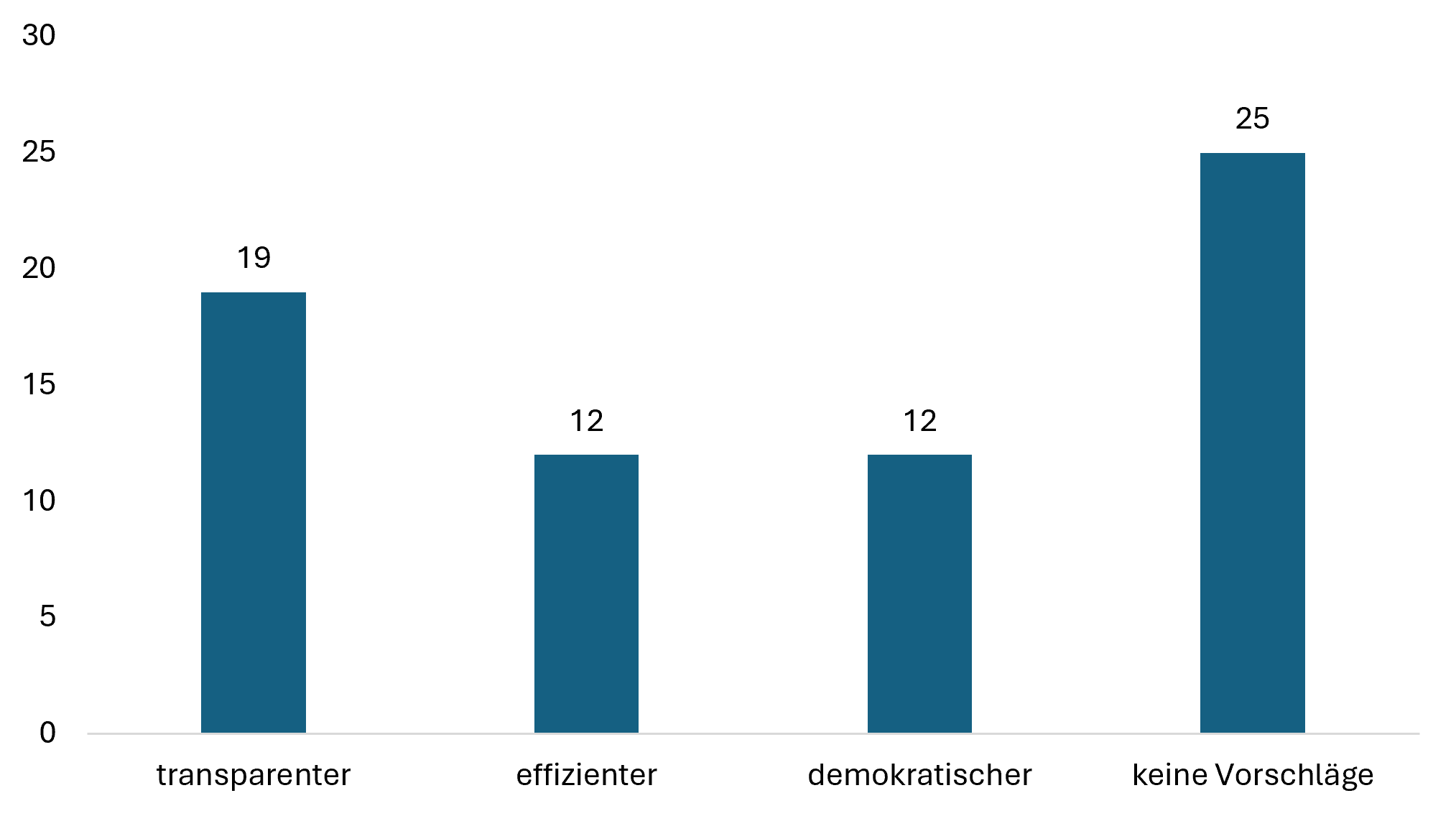
Figure 4: Mapping of the reform proposals to the assessment criteria
Source: ReParl Project 2025, N=68.
Question: „In your view, what changes could be made to improve the decision-making process?“
Even the reform proposals that can be categorised do not indicate a strong need for fundamental change. Rather, the suggestions put forward focus on specific improvements to existing procedures. Most of the proposals can be categorised under the three dimensions already examined: transparency, efficiency and democracy.
With regard to transparency, there were calls in particular for clearer channels of information and communication. Several Members of Parliament criticised not so much the lack of information as the fact that it was sometimes conveyed in a confusing manner within the parliamentary group.
Another Member of Parliament emphasised the importance of transparent feedback processes between the various levels of the parliamentary group:
„Through greater transparency. (…) The working groups develop proposals on specific issues, which are then put forward to the next higher management bodies as recommendations for decision-making. But there must also be feedback. This would make the process more transparent and, in my view, result in broader support for the outcome. If decisions are made top-down, that isn’t really wise.“ (IV 1-3-68)
The demands are therefore focused less on additional participation rights and more on improving the transparency of existing decision-making processes.
Improvements in efficiency were also largely understood to mean earlier and better coordination between the various areas of work within the parliamentary groups. In particular, criticism was levelled at the sometimes high degree of specialisation in specific policy areas within parliamentary work, which could make it difficult to involve other stakeholders at an early stage:
„Sometimes I find myself wishing that one or the other (note: the relevant policy-makers) would come round a bit sooner and say: ‚Listen, there’s an issue here that might well affect you as well.‘ (…) In other words, step out of their silos a bit more and start talking to one another sooner.“ (IV 1-5-58)
This was often accompanied by a desire to draw more heavily on external expertise, fuelled by previous positive experiences with scientific discussions:
„Then I’ll invite two scientists to come and demonstrate how it works. (…) That’s actually quite helpful for my colleagues as well. I’d actually like to see more of that sort of thing.“ (IV 1-5-58)
Proposals for improving the democratic quality of decision-making within parliamentary groups were characterised above all by a desire for greater involvement of the group’s members. Some Members of the Bundestag suggested that opinions should be sought more frequently and taken into account more heavily in the decision-making process (see IV 1-1-26). Others highlighted in particular the importance of policy working groups[16]:
„It would be great if you could involve the working groups more. (…) There are a few issues where I probably do have quite a lot of expertise within my party, and I don’t feel I’m being consulted as much as I’d like to be.“ (IV 1-7-31)
To some extent, the criticism was also directed at the dominant role played by senior management in the decision-making process:
„In light of my answer to the previous question – namely, that it is the executive committee which, in practice, sets the direction – we would need to find our own way of ensuring that we have a clear picture of the parliamentary group’s views even before the parliamentary group executive committee meeting.“ (IV 1-7-54)
It is noteworthy, however, that even this criticism is not accompanied by calls for a fundamental overhaul of decision-making processes. Most respondents acknowledge the existing organisational constraints of parliamentary work and phrase their suggestions with due caution. For instance, one Member of Parliament referred to the difficulties of ensuring participation, transparency and the ability to act simultaneously within large parliamentary groups:
„We are a large group, and meaningful participation and discussion are only possible to a limited extent. That is why we need alternative formats for engaging a large group, so that they are heard, can express their views and, ultimately, feel a greater sense of ownership over the decisions.“ (IV 1-7-69)
Furthermore, the existing culture of debate was criticised, whilst at the same time the tension between efficiency and participation was acknowledged:
„If you look at the discussion within the parliamentary group now, it’s always the same men who speak for three minutes. (…) At the same time, it is, in a way, a form of freedom that I’m able to do that. So how can we change the culture of debate so that everyone has a chance to speak?“ (IV 1-7-66)
It is also striking that, in numerous interviews, it was not democracy, transparency or efficiency that were cited as isolated problem areas, but rather the factor of time. One respondent explicitly referred to the intense time pressure associated with parliamentary work:
„More time. It’s all a bit rushed at the moment. (…) So, how does one go about getting a job? It’s not always terribly transparent. (…) It could be better organised. Digitalisation could certainly help us there.“ (IV 1-3-50)
Many Members of Parliament regarded the limited time available as the main reason why improvements in all three areas were only possible to a limited extent. One respondent put it particularly succinctly: „So, significantly more time. More time for free discussion. (…) You’re trapped in a kind of straitjacket that you just have to work your way through.“ (IV 1-4-47) Another Member of Parliament put forward a similar argument: „To set aside more time for fundamental questions that are not driven by day-to-day decisions, but which examine individual issues from a fundamental perspective.“ (IV 1-3-34)
It has been pointed out on several occasions that the enormous scope of parliamentary responsibilities significantly increases the demands placed on the decision-making process within parliamentary groups:
„I think the problem is that we’re the last all-rounders left in this country. (…) It would simply take more time. Something that’s easy to discuss with 207 members, but difficult to put into practice. (…) I can see the need for this, but I really don’t know how we’re supposed to manage it given the sheer scale of the organisation.“ (IV 1-7-60)
At the same time, not all those surveyed shared the view that time pressure was a significant factor. Indeed, some Members of Parliament described references to tight deadlines as a recurring argument in parliamentary debates:
„It’s always those who disagree who talk about time pressure, and they use it as an argument to say: ‘We’re under time pressure right now; we can’t decide on this now.’ Everything is under time pressure. Yes, that’s what the job entails.“ (IV 1-7-16)
Time thus appears less as an isolated organisational problem than as a structural framework for parliamentary work. From the perspective of many Members of Parliament, limited time resources simultaneously restrict transparency, opportunities for participation and the depth of expert advice. In this respect, time acts as a cross-cutting factor that influences all dimensions of decision-making within parliamentary groups.
Among the more specific reform proposals, the call for a better induction process for newly elected MPs also stands out. Unlike many other proposals, this approach does not focus directly on individual decision-making procedures, but rather on the ability of members to find their feet within the existing structures. One respondent described the difficulties in understanding the formal and informal channels of decision-making within the parliamentary group at the start of their term of office:
„If you were to make it clear to everyone that you can achieve maximum impact with minimal effort, what I’m getting at is focus. In other words, making it known how you make an impact, how you contribute your views to decision-making processes. As a newly elected MP, that was very difficult. Navigating certain processes where opinions are formed. Yes, I would actually suggest that MPs be supported through targeted training over a three-year mentoring programme.“ (IV 1-7-21)
This proposal is noteworthy in that it builds on the differences between new and experienced Members of Parliament identified earlier. The need for improvement is seen here not so much in the decision-making processes themselves as in their accessibility to new members of parliamentary groups.
Overall, the interviews show that the MPs interviewed do recognise scope for improvement. However, almost without exception, these improvements relate to minor systemic adjustments to existing procedures. Criticism is mainly focused on individual organisational processes and is often put into perspective by the interviewees themselves, who cite practical constraints. The results thus support the earlier findings of an overall positive assessment of intra-party decision-making processes. From the MPs’ perspective, there appears to be a greater need for the ongoing refinement of existing procedures than for fundamental institutional reforms.
In conclusion, at the very least, the question remains as to whether this finding is merely a snapshot or rather reflects the norm within the parliamentary groups in the German Bundestag. In this regard, it is certainly worth noting that, due to both internal and external developments, MPs„ overall satisfaction with their party, the parliamentary group leadership or specific political initiatives can vary considerably. At the same time, an example was already given in the introduction, using the “pension rebels’, of how critical voices can be successfully integrated even in conflict-ridden situations. In the event of a repeat survey or further research, particular attention should be paid (once again) to the complexity of decision-making processes within parliamentary groups.
[1] See Karin Christmann / Christoph Ziedler, „Young CDU MPs seek to block draft bill. SPD accuses pension rebels of “letting their generation down”’, in: Tagesspiegel, 14 October 2025, https://www.tagesspiegel.de/politik/konnten-beschluss-blockieren-junge-unionsabgeordnete-rebellieren-gegen-rentenpaket-der-regierung-14555861.html (Accessed 15 July 2026).
[2] Florian Gathmann / Christian Teevs, ‘Young Group Reiterates Rejection of Pension Plans’, in: *Der Spiegel*, 17 November 2025, https://www.spiegel.de/politik/deutschland/rente-so-ticken-die-rebellen-von-der-jungen-union-a-09cd2b2f-2cf2-45e3-87b3-80789852ce88 (accessed on 3 September 2026).
[3] See Suzanne S. Schüttemeyer, Parliamentary Groups in the German Bundestag 1949–1997. Empirical Findings and Theoretical Conclusions, Opladen, Wiesbaden 1998; Fedor Ruhose, Parliamentary Groups: Structure, Function and Working Methods, Stuttgart 2022.
[4] The interviewees were distributed as follows amongst the parliamentary groups and factions represented in the Bundestag at the time of the survey: SPD 27, CDU/CSU 18, Alliance 90/The Greens 10, FDP 9, AfD 3, Die Linke 3 and BSW 1. Compared with the composition of the 20th German Bundestag, the SPD is slightly over-represented and the AfD under-represented in the ReParl sample. In two and three interviews respectively, the questions discussed here could not be asked, resulting in deviations from the N presented in the figures.
[5] The category or term „participation“ has been replaced by „democracy“ or „democratic“. Winfried Steffani, ‘Parliamentary Democracy – On the Issues of Efficiency, Transparency and Participation’, in: the same author (ed.), *Parliamentarism without Transparency*, Wiesbaden 1971, pp. 17–47.
[6] The quotations are reproduced using a coding system that ensures the anonymity of the Members of Parliament.
[7] See Anastasia Pyschny / Melanie Kintz, ‘The Occupational Structure of the German Bundestages in the 20th parliamentary term’, in: Zeitschrift für Parlamentsfragen, vol. 53 (2022), No. 2, pp. 328–343, p. 328.
[8] See Michael Rush / Philip Giddings, *Parliamentary Socialisation: Learning the Ropes or Determining Behaviour?*, Basingstoke 2011; Werner J. Patzelt, *Parliamentary Recruitment and Socialisation. Normative considerations, empirical findings and practical recommendations, in: Zeitschrift für Politik, vol. 46 (1999), no. 3, pp. 243–282.
[9] See, in general, on institutional change and speed: Gérard Roland, ‘Understanding institutional change: Fast-moving and slow-moving institutions’, in: Studies in Comparative International Development, vol. 38 (2004), no. 4, pp. 109–131; James Mahoney and Kathleen Ann Thelen, ‘A theory of gradual institutional change’, in: ibid. (eds.), *Explaining institutional change: Ambiguity, agency, and power*, Cambridge 2010, pp. 1–37.
[10] Far-reaching changes resulting from external shocks can also lead to changes on an ad hoc basis, as demonstrated by the example of the Covid-19 pandemic, which also affected the way in which the Bundestages and the parliamentary groups operate.
[11] See also Finn Heinrich / Carlo Greß, ‘Workplace Bundestag: The Need for Reform in the Engine Room of Democracy’, Einwurf – Bertelsmann Stiftung Policy Brief, No. 7, Gütersloh 2025.
[12] Most recently also the subject of proceedings before the Federal Constitutional Court: Alexander Thiele, „The Karlsruhe U-turn: The Federal Constitutional Court’s ruling on the duration of parliamentary deliberations“, in: Verfassungsblog, 24 July 2026, https://verfassungsblog.de/bverfg-heizungsgesetz-urteil/ (accessed 3 September 2026); Horst Risse, ‘A speed limit of uncertain magnitude and without speed control: On the Federal Constitutional Court’s ruling on the merits in the institutional dispute concerning the ‘Heating Act’, in: Zeitschrift für Parlamentsfragen, vol. 57 (2026), no. 3, pp. 503–510.
[13] See Danny Schindler / Oliver Kannenberg, ‘Elite domination by design? Comparing the rules of the game within parliamentary party groups’, in: International Political Science Review (2025), online first, https://doi.org/10.1177/01925121251392195; ibid., ‘The Structure of the Parliamentary Group: Institutional Variations and Institutional Change’, in: Zeitschrift für Parlamentsfragen, vol. 53 (2022), no. 4, pp. 730–746.
[14] See Danny Schindler, Political Leadership in a Parliament Based on Political Groups: The Role and Scope for Influence of Group Leaders in the German Bundestag, Baden-Baden 2019.
[15] Here and throughout this text, the term „the Member of Parliament“ is used as a generic masculine form in order to minimise the risk of de-anonymisation.
[16] For information on the role and function of working groups and committees, see Manfred Mai, ‘Working Groups and Committees of Parliamentary Groups’, in: Zeitschrift für Parlamentsfragen, vol. 53 (2022), no. 4, pp. 747–756.
 German German
 English